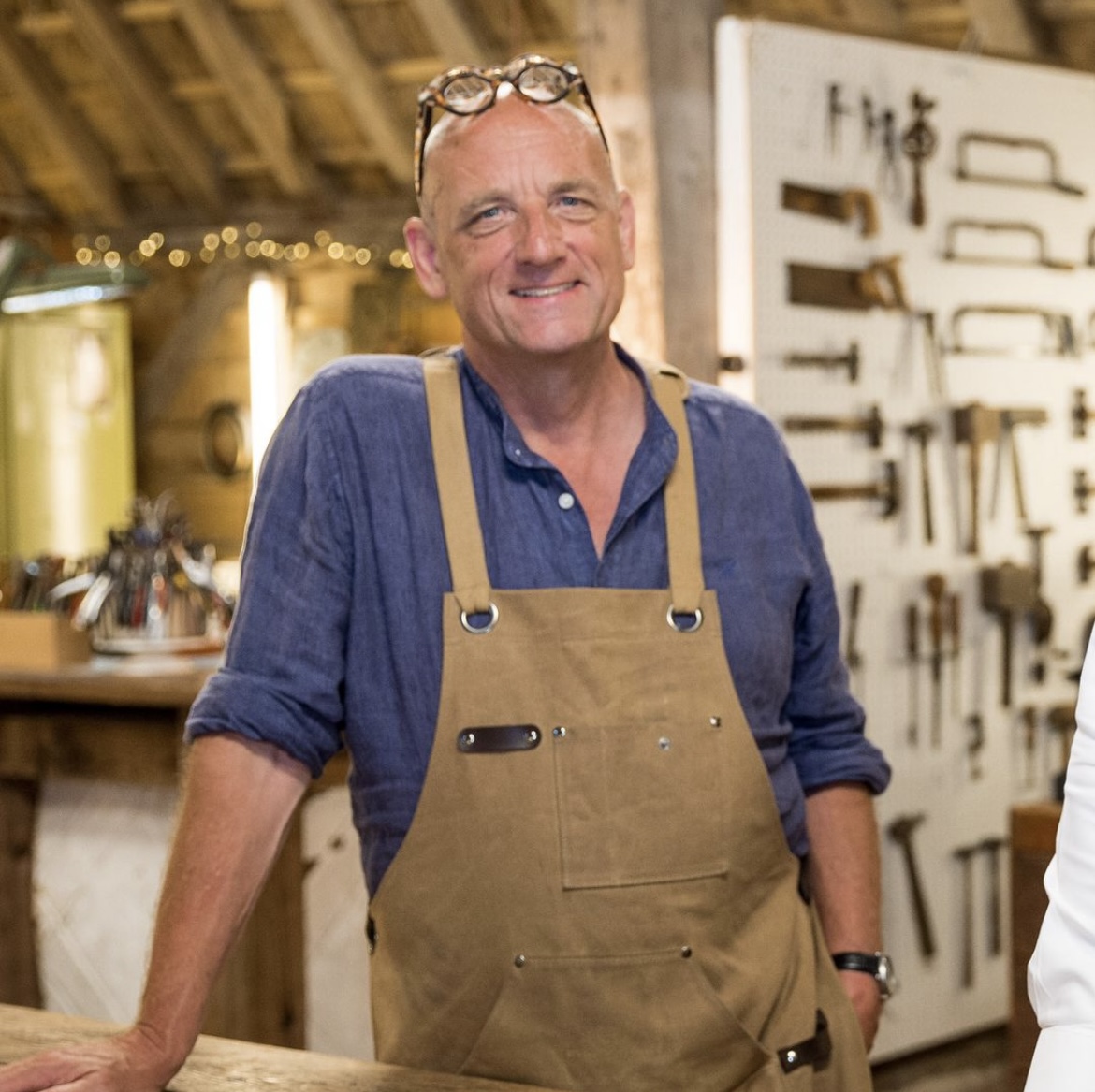
Steve Fletcher in the Repair Shop.
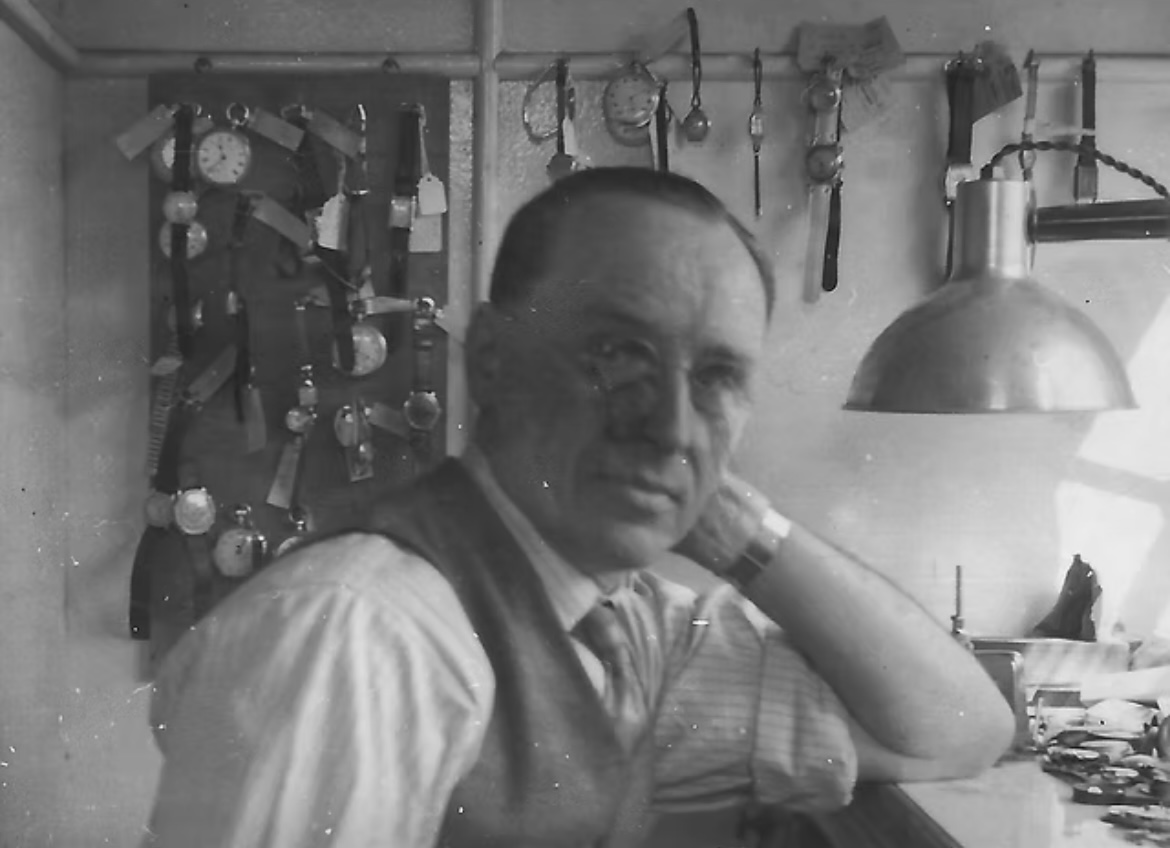
Fred Fletcher, Steve's Grandfather.
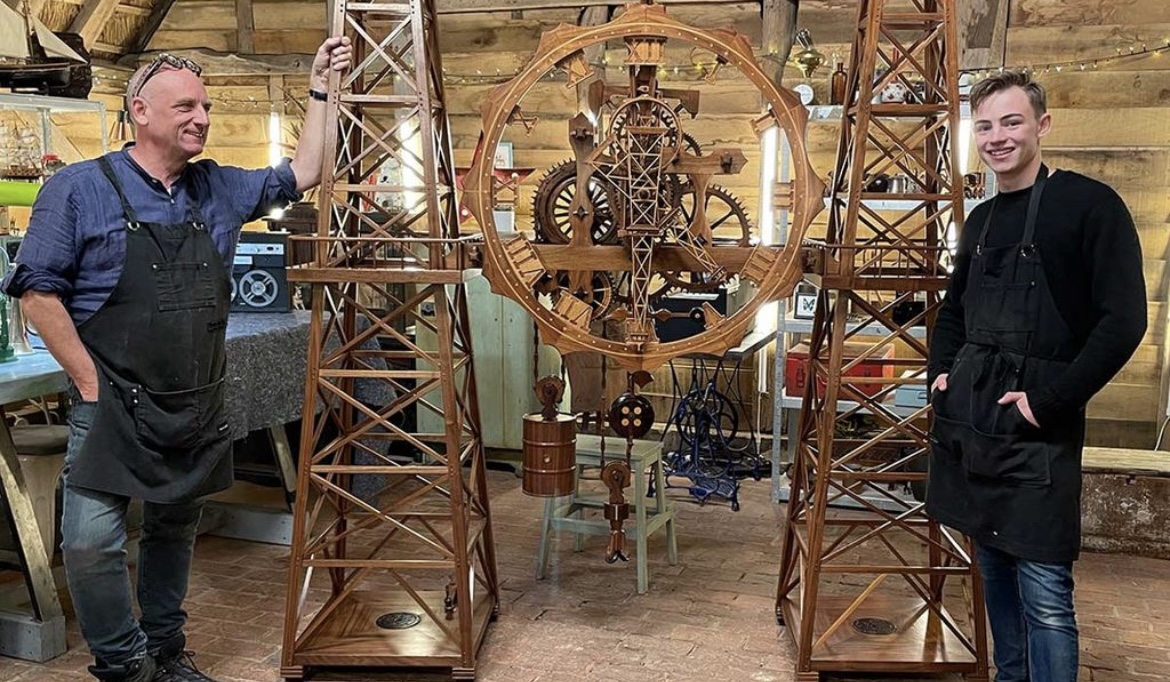
Steve Fletcher with his son, Fred Junior.
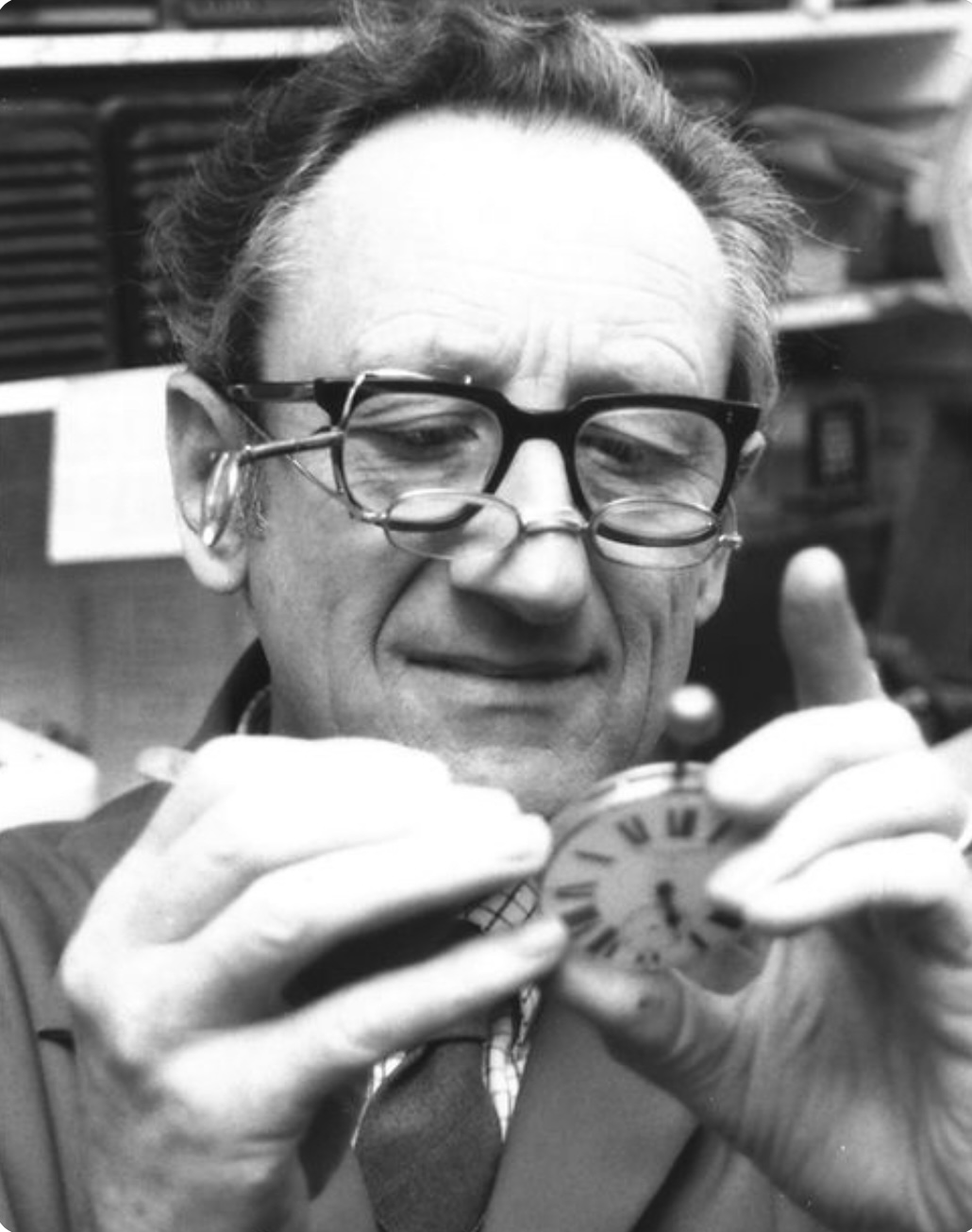
John Fletcher, Steve's father, at work.
I’m Sonia Jervis, a volunteer at Witney & District Museum. I love uncovering the stories behind the people who shaped this town, often through skills and trades that quietly kept everyday life running. Witney is famous for blankets, but there’s another craft tradition here that deserves attention: the business of time.
If you only know Witney for its wool, it’s easy to miss the generations of specialist hands that repaired, restored, and cared for clocks and watches. The Fletcher family’s story is one of those local legacies , keeping mechanisms moving, and keeping memories alive.
Steve Fletcher represents the third generation of Fletcher timekeepers. His training places him at a crucial moment for British horology: the 1970s and the decades that followed, when accurate, inexpensive quartz clocks became common. As timepieces got cheaper, repairs became rarer. A broken clock increasingly became something you replaced, not something you mended.
But some clocks can’t be replaced. Family heirlooms. Historic clocks. Treasured gifts. Pieces with local stories. Craftspeople like Steve remained essential because their work mattered most where replacement was never really an option. That makes Steve’s generation a bridge between older apprenticeship traditions and newer approaches shaped by conservation, heritage, and long-term care.
The story begins with Steve’s grandfather, Fred Fletcher, who started repairing clocks and watches while still at school. In 1910, he began his apprenticeship on Batts Hill, Witney. After serving in the First World War, Fred returned to the trade and eventually opened his own clock and watch repair business. He was still repairing clocks when he died in 1982 a lifetime spent keeping mechanisms (and the town’s ticking memories) running. It’s the perfect example of “hands that follow hands.”
Fred’s son, John Fletcher, joined the business after National Service and became one of the area’s main trade watch repairers, working with Oxford jewellers, until his death in 2007.
Steve carried the craft into the modern era, gaining first-class qualifications through a British Horological Institute college course in 1973, and spending his working life restoring and repairing clocks and watches at a time when traditional repair skills were becoming less common.
Now, a fourth generation has stepped forward. Steve’s son, Fred Fletcher, joined the workshop as an apprentice clockmaker in 2020 same family name, a new set of hands, and proof that this timekeeping story isn’t finished.
Today, Steve owns and works at The Clock Workshop in Witney, often described as a third and now fourth generation family business. Witney has always been a town of makers, and the Fletcher family’s work reminds us that “making” isn’t only about creating something new it can also mean patiently keeping something going, year after year, generation after generation.
As well as keeping Witney on time in his own workshop, Steve has also brought the Fletcher family’s craft to a national audience through his role as the resident clock and watch expert on BBC’s The Repair Shop. On the programme he takes on everything from longcase clocks to delicate watches and clockwork mechanisms, carefully diagnosing faults, cleaning and conserving movements, and, when parts are missing or beyond repair, making sympathetic replacements so treasured objects can run again without losing their history. His presence matters because it champions “repair over replace” at exactly the moment those skills have become rare, and it helps the public understand why conservation-grade craft still has a place in modern life. It’s also a quietly powerful extension of the Fletcher legacy: viewers don’t just see a repair completed, they see a living tradition of British horology, one that has even been shared on screen alongside the next generation of the family.