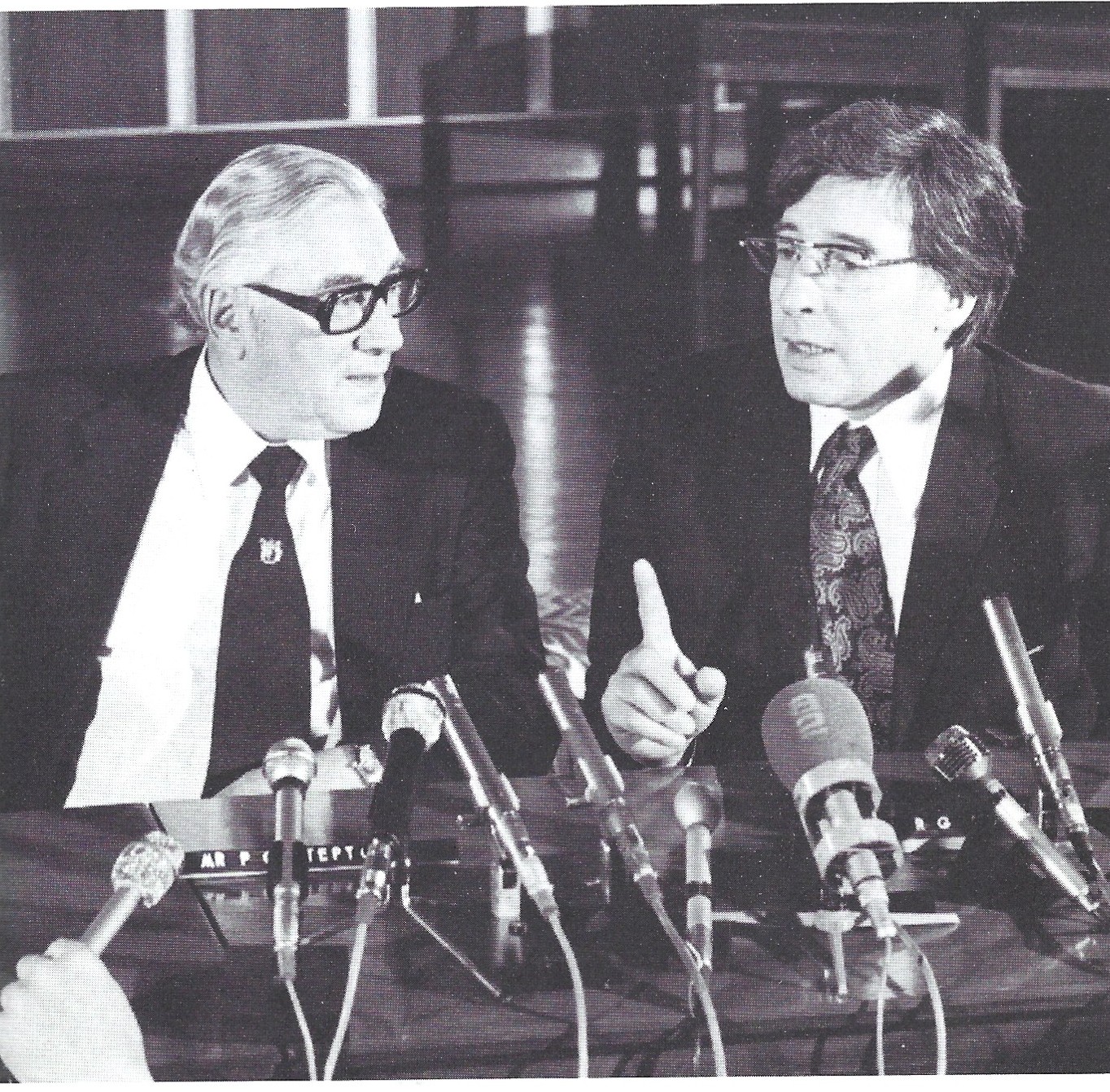
Louise’s safe arrival was one of the greatest-ever scientific achievements and the culmination of ten years’ relentlessly dedicated work by Patrick and his research partner Robert (Bob) Edwards, a geneticist and embryologist. This now, 47 years later, has resulted in the worldwide birth of more than 10 million IVF babies. In the UK, current figures reveal that 3.1 per cent of babies are born via in vitro fertilisation – that’s 1 in 32 births.
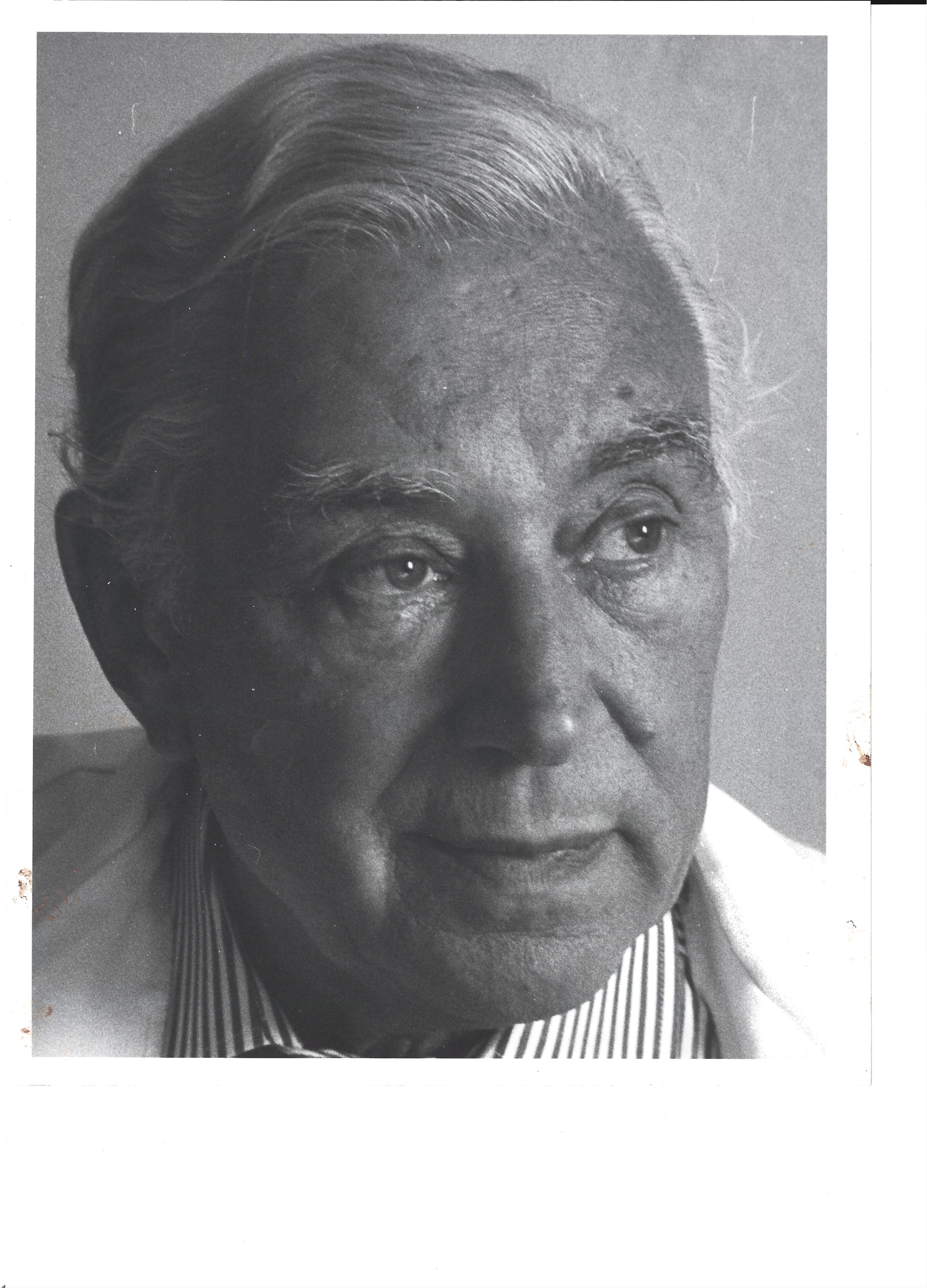
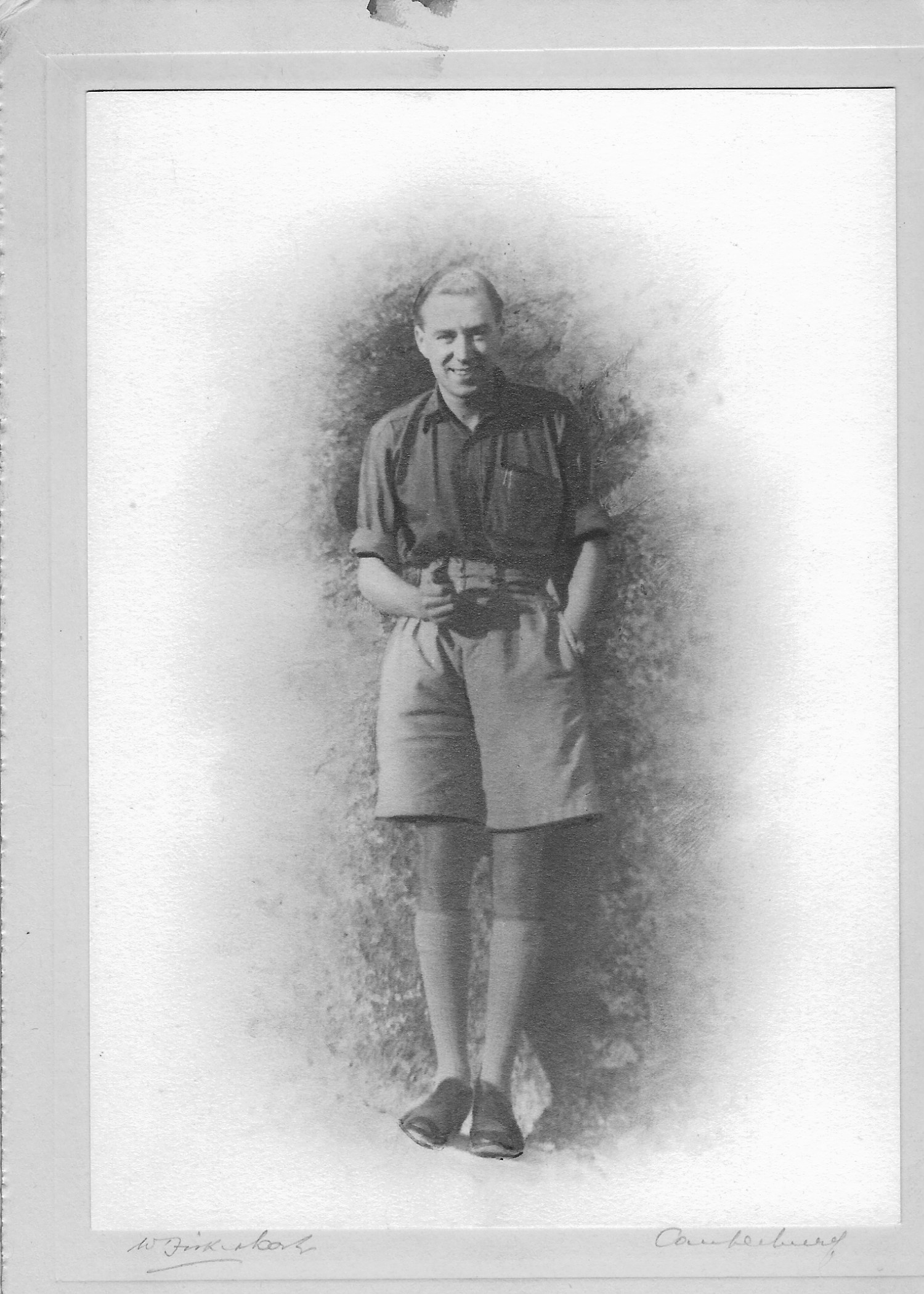
Patrick was born at 52 West End, Witney, in 1913 – one of Harry and Maud Steptoe’s (nee Minns) family of ten children. His father was the local registrar of births, marriages and deaths, while his mother played a leading role in the Mother’s Union and organised infant welfare clinics and events for the elderly.
Patrick was educated at Witney Grammar School (now Henry Box School) and was a diligent pupil. The greatest love of his life, however, was music – he was an accomplished pianist and often played the organ at St Mary’s Church, next door to the school. He also picked up some pocket money playing the piano for silent films at the town’s Palace cinema.
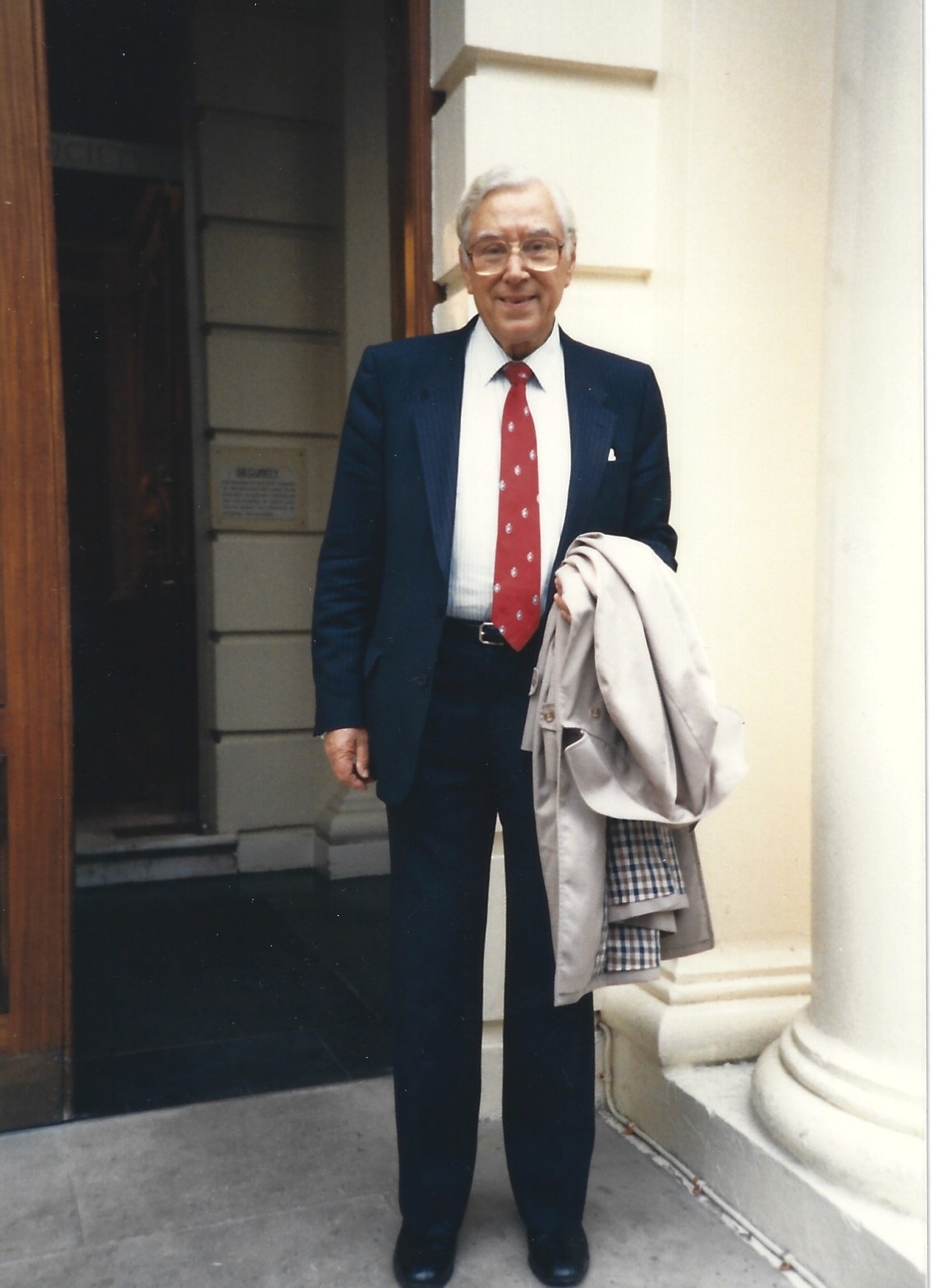
He successfully applied to medical school in London but his devotion to music nearly scuppered his medical career when he came close to failing his exams. He knuckled down, but music remained an enduring passion with him performing his last piano concert at the age of 73, less than a year before he passed away.
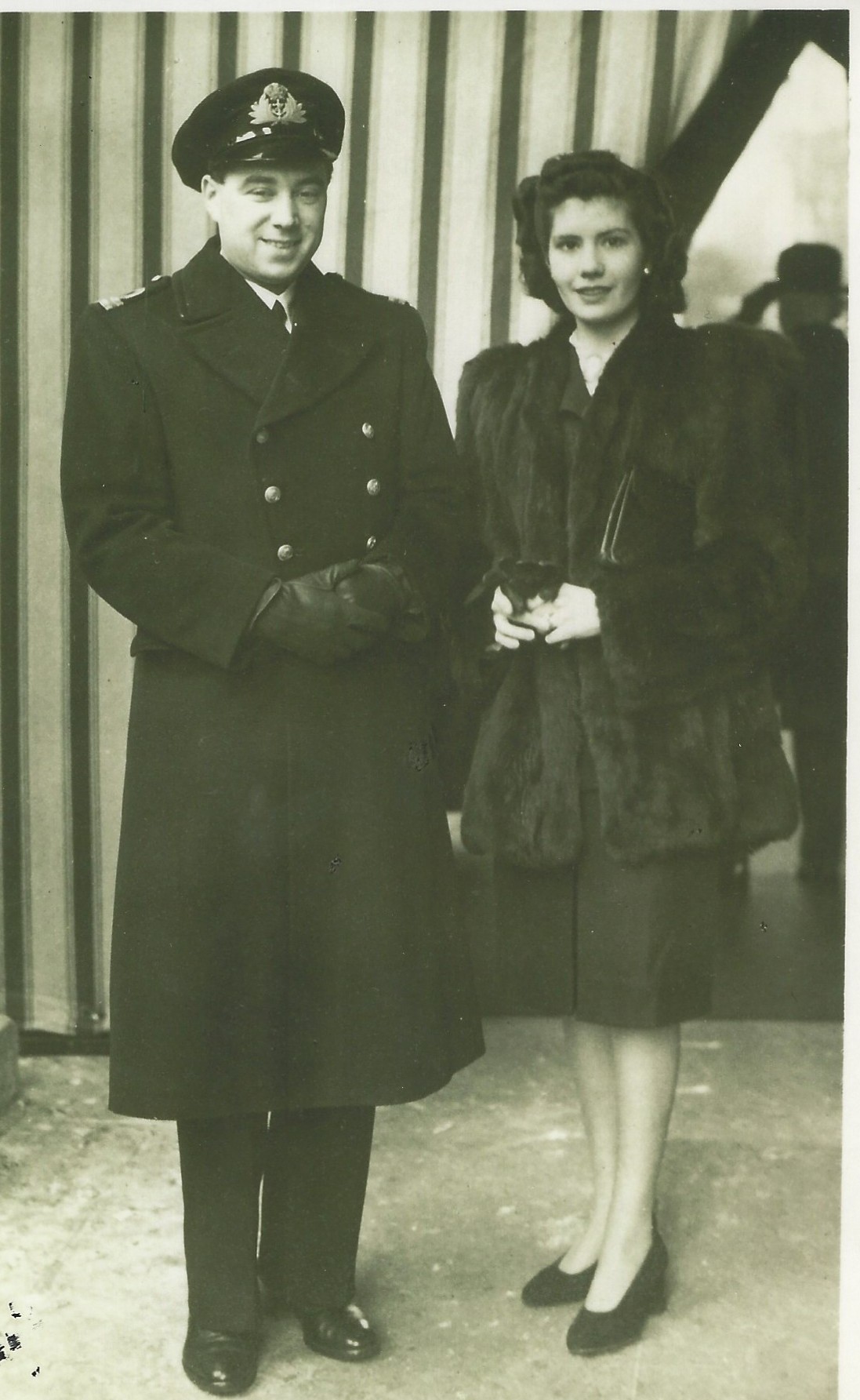
Patrick returned to the family home in Witney during college vacations in the 1930s and received his medical qualification shortly before the war. He had already joined the Royal Navy Voluntary Reserve and went to sea as a medical officer in 1939. In May, 1941, he was aboard HMS Hereward when it was sunk during the Battle of Crete. Half the crew perished but Patrick survived and was able to tend the wounded before being rescued and sent to a PoW camp in Italy, where he remained for two years. During this time his address remained 52 West End, Witney, with his parents receiving the occasional postcard via the Red Cross.
In 1943 Patrick went to work at the Admiralty in London where he met and married his wife, Sheena, a RADA actress. After training in obstetrics and gynaecology, in 1951 he was appointed a consultant at Oldham, just outside Manchester. It was here that Patrick and Bob Edwards carried out their pioneering work into infertility and IVF. Each brought unique skills to a collaboration that resulted in one of the greatest medical discoveries of all time.
Patrick was an expert in laparoscopy which allowed the collection of mature eggs from the patient without surgery. At the beginning, IVF was treated with suspicion and criticism, but Patrick and Bob forged on regardless, finally culminating in Louise Brown’s birth. Despite huge acclaim for their achievements from their peers, no funding for further research or treatment was made available to them by the relevant authorities. They had no option but to set up their own private IVF clinic – Bourn Hall, Cambridge, opened in 1980 and became the world’s first specialist IVF clinic.
Sadly, Patrick passed away on March 21st 1988 at the age of 74, just after Bourne Hall achieved its 1,000th IVF birth.
Speaking in 1989, Bob Edwards said of his great friend and colleague: “Great charm carried Patrick through many difficult situations and inspired enormous devotion in his staff and patients. He was optimistic, good-natured, reliable and a deeply affectionate family man. Many admired him almost beyond belief.”
The final word goes to Andrew, Patrick’s son, himself an eminent professor of psychology and epidemiology. At the unveiling of the blue plaque at his father’s former home he said: “I think much of his commitment came from his upbringing here in Witney, his parents’ strong sense of service and his mother’s example in helping poorer people in need.”
By Denise, Witney and District Museum Volunteer